


Medical Gastroenterology Endoscopy & Colonoscopy
Get comprehensive care for digestive and gastrointestinal conditions from an experienced gastroenterology doctor at Pathway Hospital. Our gastroenterology services include advanced diagnostic procedures such as endoscopy and colonoscopy for accurate evaluation and timely treatment.
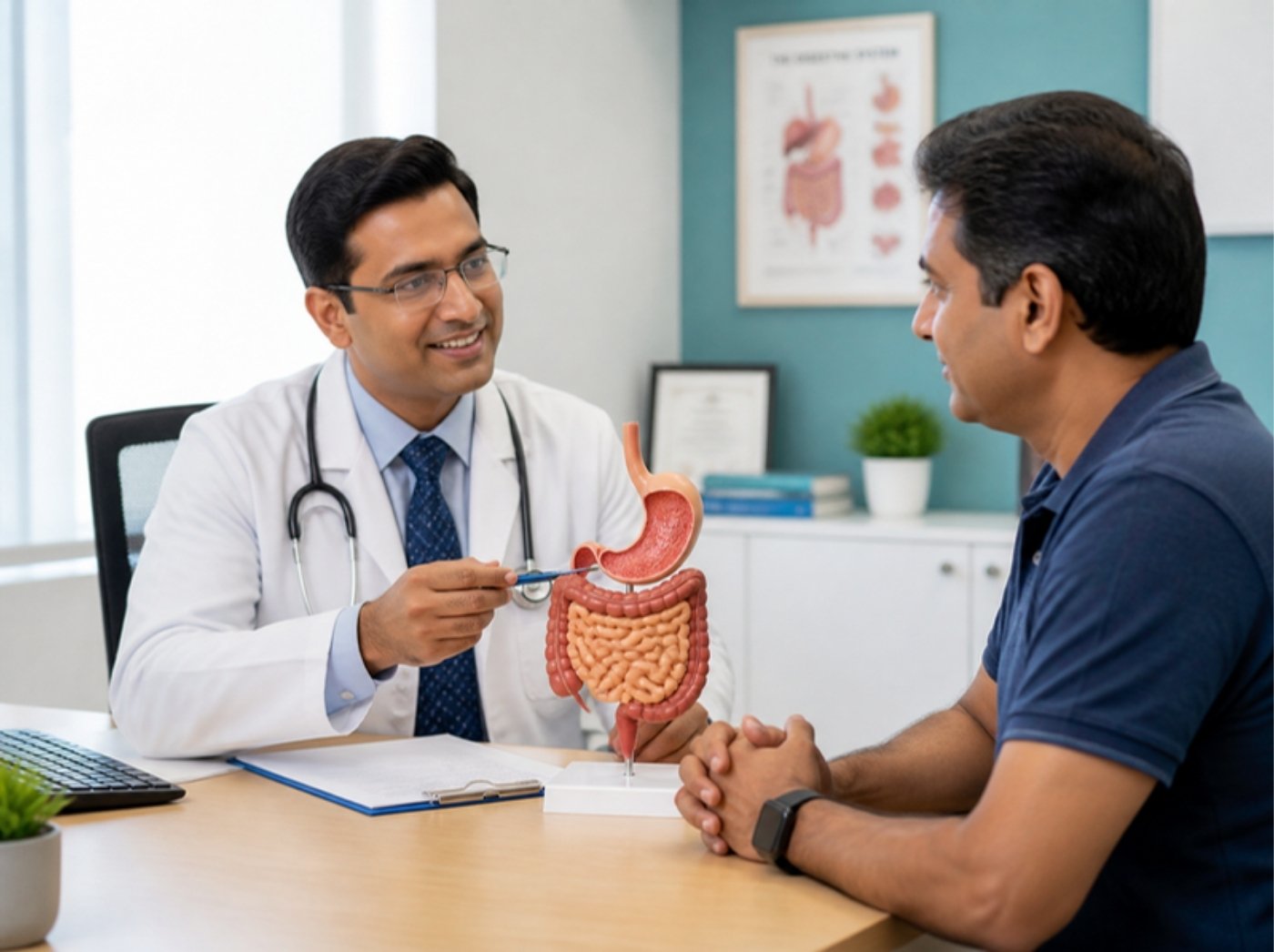
Complete Digestive Care, From Diagnosis to Treatment
Comprehensive care from our gastroenterology doctor at Pathway Hospital for digestive, liver and gastrointestinal conditions, supported by advanced endoscopy and colonoscopy services for accurate diagnosis and timely treatment.
Gastroenterology Care
Expert evaluation by a gastroenterology doctor for digestive system, stomach and intestinal conditions.
Endoscopy Services
Upper GI endoscopy to examine the food pipe, stomach and upper digestive tract when clinically required.
Colonoscopy
Detailed examination of the large intestine to help identify polyps, bleeding and other bowel concerns.
Digestive Disorder Treatment
Care for acidity, reflux, gastritis, abdominal discomfort, constipation and other digestive concerns.
Gastrointestinal Screening
Preventive and diagnostic evaluation to support early identification of gastrointestinal abnormalities.
Advanced GI Evaluation
Comprehensive evaluation for persistent digestive symptoms, bowel changes and gastrointestinal health concerns.
Complete Care for Your Digestive Health
Comprehensive gastroenterology care, diagnostic endoscopy and colonoscopy services at Pathway Hospital, Bengaluru, helping patients understand digestive symptoms and receive appropriate evaluation and treatment.
Digestive Health
Endoscopy
Colonoscopy
Understanding Digestive Health With a Gastroenterology Doctor
Digestive problems can affect your daily comfort, appetite, nutrition and overall quality of life. Symptoms such as persistent abdominal pain, acidity, reflux, bloating, constipation, diarrhoea or changes in bowel habits may need medical evaluation when they are persistent, recurrent or concerning.
What is Gastroenterology?
Gastroenterology is the medical specialty concerned with the digestive system, including the oesophagus, stomach, small intestine, large intestine, rectum and related digestive organs.
When Should You See a Gastroenterologist?
Persistent digestive symptoms, unexplained weight changes, blood in stool, recurring abdominal discomfort, prolonged changes in bowel habits or difficulty swallowing should be discussed with a qualified gastroenterology doctor.
Diagnosis Matters
A detailed medical history and examination may be combined with laboratory tests, imaging or endoscopic procedures when clinically appropriate to identify the cause of digestive symptoms.
Gastroenterology, Endoscopy & Colonoscopy
Pathway Hospital provides evaluation and treatment support for a range of digestive health concerns. The exact investigation or treatment is selected according to the patient's symptoms and clinical assessment.
Gastroenterology Consultation
Medical evaluation by a gastroenterology doctor for digestive symptoms including acidity, reflux, abdominal discomfort, bloating, changes in bowel habits and other gastrointestinal concerns.
Clinical EvaluationUpper GI Endoscopy
Endoscopy allows a doctor to examine the upper digestive tract using a flexible camera-equipped scope and may help evaluate symptoms such as swallowing difficulty, reflux or upper abdominal symptoms.
Diagnostic EndoscopyColonoscopy
Colonoscopy examines the rectum and colon using a flexible camera. It can help investigate bowel symptoms and may allow doctors to identify, biopsy or remove certain abnormal growths when appropriate.
Lower GI EvaluationBiopsy & Tissue Evaluation
During selected endoscopic procedures, small tissue samples may be taken for laboratory examination when clinically required.
Tissue DiagnosisPolyp Detection & Removal
During colonoscopy, polyps may be detected and, when appropriate, removed or sampled for further evaluation.
Preventive EvaluationDigestive Disease Management
Treatment planning and follow-up for diagnosed digestive conditions based on symptoms, investigations and the individual patient's clinical needs.
Personalised CareDigestive Symptoms That Deserve Attention
Not every digestive symptom requires an endoscopic procedure. However, persistent or concerning symptoms should be assessed by a medical professional.
What Is an Endoscopy?
Endoscopy is a procedure that allows a doctor to look inside parts of the digestive tract using a flexible instrument with a small camera. Depending on the type of endoscopy, different sections of the digestive system can be examined.
An upper gastrointestinal endoscopy can examine areas such as the oesophagus, stomach and the beginning of the small intestine. It may be recommended to investigate symptoms such as persistent upper abdominal discomfort, reflux or difficulty swallowing.
Why may endoscopy be recommended?
To investigate symptoms, identify abnormal areas and, when clinically appropriate, perform procedures such as biopsy or treatment during the examination.
Endoscopy Journey: What to Expect
Consultation
Your symptoms and medical history are reviewed.
Preparation
Follow the preparation instructions provided by your medical team.
Procedure
The endoscope is used to examine the relevant digestive tract area.
Review & Follow-up
Findings and any required further treatment are discussed with you.
Colonoscopy for Lower GI Evaluation
A colonoscopy uses a flexible tube with a camera to examine the rectum and colon. It can help doctors investigate symptoms such as changes in bowel movements, abdominal pain, rectal bleeding or unexplained weight loss.
In addition, when clinically appropriate, doctors can take a biopsy or remove certain polyps during colonoscopy for further evaluation.
Conditions We Evaluate & Manage
Depending on clinical evaluation by a gastroenterology doctor, our services can support diagnosis and management of a range of gastrointestinal concerns.
Acidity & GERD
Evaluation and management of recurring heartburn, acid reflux and related digestive symptoms.
Gastritis
Assessment of upper digestive symptoms and appropriate treatment planning.
Abdominal Pain
Investigation of persistent or recurring abdominal discomfort.
IBS & Bowel Problems
Evaluation of recurring changes in bowel habits, constipation, diarrhoea and related symptoms.
GI Bleeding
Clinical assessment of gastrointestinal bleeding and appropriate diagnostic investigation.
Polyps & Screening
Colonoscopy-based evaluation for polyps and other abnormalities when recommended by a doctor.
Why Choose Our Gastroenterology Doctor?
At Pathway Hospital, our approach is focused on helping patients understand their symptoms, obtain appropriate investigations and receive personalised treatment guidance. From consultation and diagnostic evaluation to procedure planning and follow-up, care is coordinated according to the patient's clinical requirements.
Comprehensive Evaluation
A structured approach to understanding digestive symptoms and health concerns.
Endoscopy & Colonoscopy Support
Diagnostic procedure support when endoscopic evaluation is clinically recommended.
Patient-Centred Communication
Clear explanations from our doctors about investigations, findings and next steps.
Convenient Hospital Care
Gastroenterology services available at Pathway Hospital, RR Nagar, Bengaluru.
Endoscopy & Colonoscopy Preparation
Preparation requirements depend on the procedure and your individual health situation. Always follow the instructions given by your treating medical team. For example, the NIDDK explains how colonoscopy preparation works.
Follow Medical Instructions
Tell your doctor about your medicines, supplements, allergies and existing medical conditions before the procedure.
Follow Diet Instructions
Depending on the procedure, you may receive specific instructions regarding food, fluids or fasting.
Colonoscopy Bowel Preparation
Colonoscopy generally requires bowel preparation so that the doctor can clearly examine the colon.
Plan Your Recovery
If sedation is used, arrange transportation and follow your medical team's post-procedure instructions.
Gastroenterology Doctor, Endoscopy & Colonoscopy FAQs
Find answers to common questions about digestive health and endoscopic procedures.
01What does a gastroenterologist treat?
02What is an endoscopy?
03What is a colonoscopy used for?
04Can a biopsy be taken during endoscopy?
05Can polyps be removed during colonoscopy?
06Is colonoscopy painful?
07How should I prepare for colonoscopy?
08When should I consult a gastroenterologist?
09Does every stomach problem require endoscopy?
Don't Ignore Persistent Digestive Symptoms
Speak with our gastroenterology doctor and healthcare team to understand your symptoms and explore appropriate gastroenterology, endoscopy or colonoscopy care.